
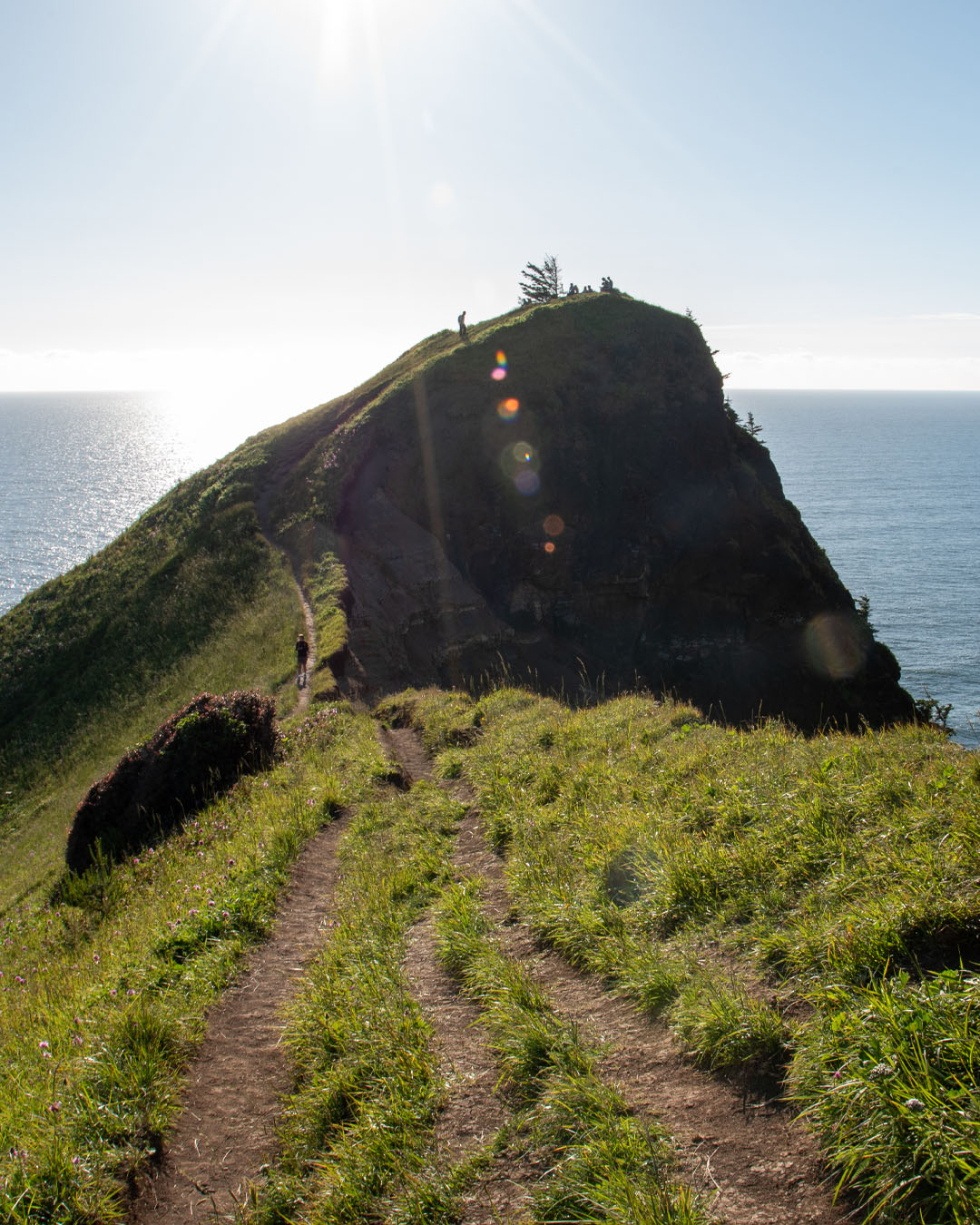
Best PNW Hikes: The Thumb via The Knoll
The hike to God’s Thumb winds through a residential neighborhood, a UNESCO Biosphere Region, and a national forest—and offers one of the most stunning views of the Oregon coast.
FOUR SEASONS IN
HOYT ARBORETUM
What began as a plan to hike all 12 miles of trails became a yearlong habit. Here are photographs from my year of walking the 189 acres in Portland’s Washington Park—plus a guide to the best trails for each season.
BY LAURA J. COLE | September 22, 2026
By the sixth or seventh time I hiked the outer trail loop at Hoyt Arboretum, the one where the outline loosely resembles a winged Pegasus, I thought I’d know where I was going. But I didn’t. I kept having to look at AllTrails to see where I was, where to turn, how much longer. It’s not an overly complicated trail. A good majority of it never veers from the Wildwood Trail. And yet, I kept stopping to confirm.
It was frustrating. After three years of living here, I wanted, as Emerson encouraged, to trust myself. It’s a simple enough desire: to want to know where you’re going. To not feel lost. But I didn’t, not hiking in Hoyt Arboretum. Not walking to a new location downtown. Certainly not driving the west hills to the east side. It’s just so damn easy to plug in a destination and do what you’re told.
While in college, I had a half-hour-plus commute from my house to campus every day, then back. For most of the first semester or maybe even year, I took the same roads every day. Day after day. It required nothing of me or my brain. I had simply taken it once and decided, this is the way.
Then one Thursday, as part of a class where we were building sets for the campus theater, I drove while a classmate gave me directions to nearby paint and home improvement stores. We took roads I didn’t even know existed. Roads that felt labyrinthine. I had no idea how we got there, or how to get back. But I decided then that I would.
That night, driving home, I got off the interstate at a random exit and began taking the backroads, knowing only a general direction. I needed to go west, or north, or simply “that” way. Getting purposefully lost became a way to learn the city I grew up near but not really in. To finally know the names of the streets and how they wind, merge, and intersect. To feel, ultimately, like every street and avenue was part of my larger home. Afterall, they were.
I wanted that feeling in at least one forest, one park, hell, one trail, in a city that I’m still learning my way around. The ease of technology makes it easy not to. And so, I set a simple goal: to walk every trail in Hoyt Arboretum at least once. It’s only 12 miles total, but can feel vast when you don’t know where any trail leads, and each turn can leave you feeling disoriented. And so, one day last August, I set out. I picked up a map at the visitor center, and each day, I mapped out a new-to-me route. Bristlecone Pine Trail was the first: a short loop that I could do during the week between meetings. The next day, I followed White Pine to Wildwood to Spruce. Then Fir, looping back through the stand of bamboo.
On I went, each day, tracing out a route on the paper map and placing a check mark beside it until I’d completed them all. Along the way, the wayfinding gave way to meditation, or my version of it: photographing the details that caught my eye. Later, as I processed each image, I’d try to learn the names of the trees and plants and flowers I photographed. Things like ogon dawn redwood, annual honesty, and ivy-leaved cyclamen. Technology can atrophy the brain, or expand it, depending on its use. I don’t know if it’s identification process, or mine, is correct, but it’s a start.
What I do know is that I began noticing the small shifts that define the passage of time and space. The leaves changing from green to yellow to red to brown. The way different mushrooms sprout up and fade away. The way the scent of the forest changes when you walk into the redwood grove after a rain. How the caw of one crow grows into a cacophony over the course of a few days. The ability of a sunbeam to call attention to something depending on the time; its lack to mask it.
Long after completing my of goal, I kept the routine of walking the Arboretum as a way to endure the days becoming shorter and darker. Many leaves fell. Mushrooms became more abundant as the flowers dwindled. The moisture stuck in the soil and in the bark. Three ornaments suddenly appeared on the branches of a Western redcedar.
It’s now been over a full year of walking and paying attention and learning. I’ve seen trilliums herald the return of spring and the great procession of flowers and berries and birds that follow. I’ve learned to watch for the fireweed to blossom to announce summer and turn to cotton to signal the coming of fall. I no longer need a map. I’ve given tourists directions without needing to reference one, and not just go right or left, but the names of the trails and where they’ll take you. What to look for. Where you could go.
It’s not a major accomplishment. No feather to place in my cap. Nothing worth adding to a resume. And yet, it is something: the first time I trusted myself and my ability to navigate a place in the city that day after day feels more like home, rather than just somewhere I live.

BEST TRAILS TO HIKE IN THE FALL AT HOYT ARBORETUM
Bristlecone Pine Trail
Best for: Ginko
Hawthorne Trail
Maple Trail
Fir Trail
Best for: Larch
Walnut Trail
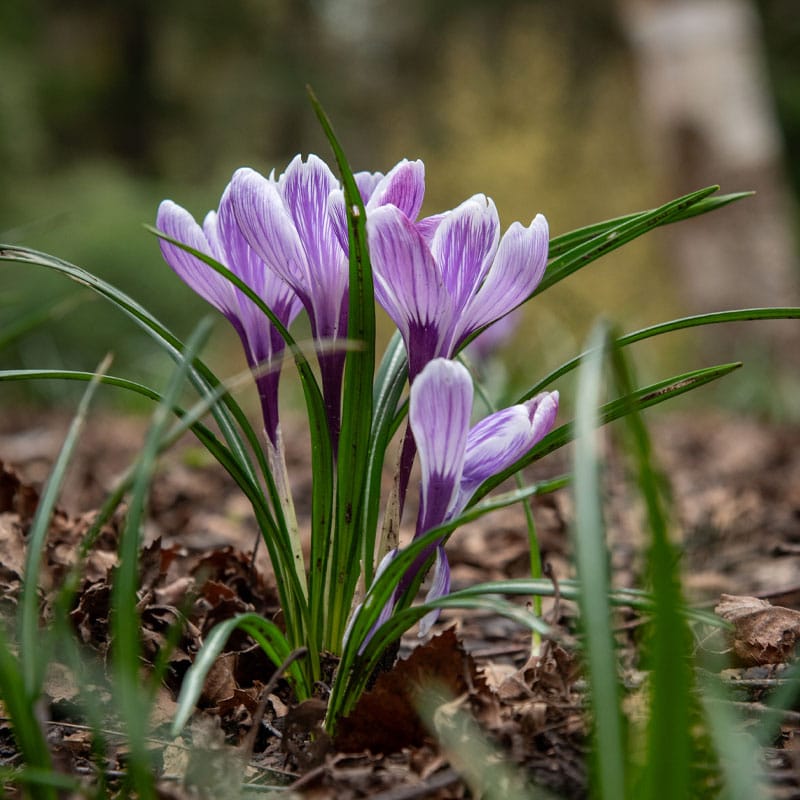
BEST TRAILS TO HIKE IN THE WINTER AT HOYT ARBORETUM
Holly Loop
Redwood Trail
White Pine Trail
Wildwood Trail
Winter Garden Trail
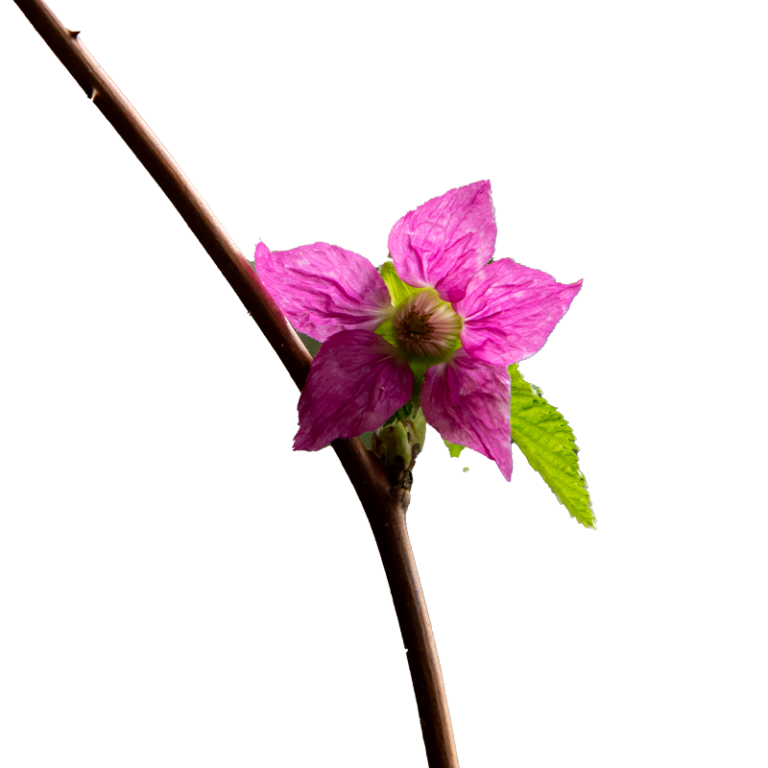
BEST TRAILS TO HIKE IN THE SPRING AT HOYT ARBORETUM
Hawthorn Trail
Magnolia Trail
Marquam Trail
Best for: Dogwood and rhododendron
Spruce Trail
Wildwood Trail
Best for: Cherry trees
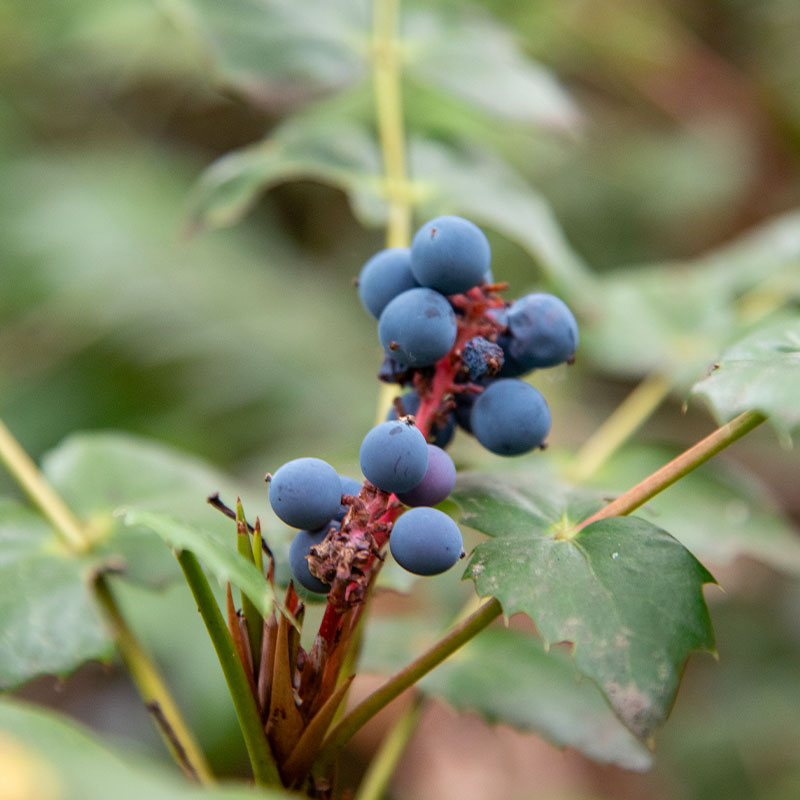
BEST TRAILS TO HIKE IN THE SUMMER AT HOYT ARBORETUM
Creek Trail
Oak Trail
Overlook Trail
Redwood Trail
White Pine Trail

The hike to God’s Thumb winds through a residential neighborhood, a UNESCO Biosphere Region, and a national forest—and offers one of the most stunning views of the Oregon coast.
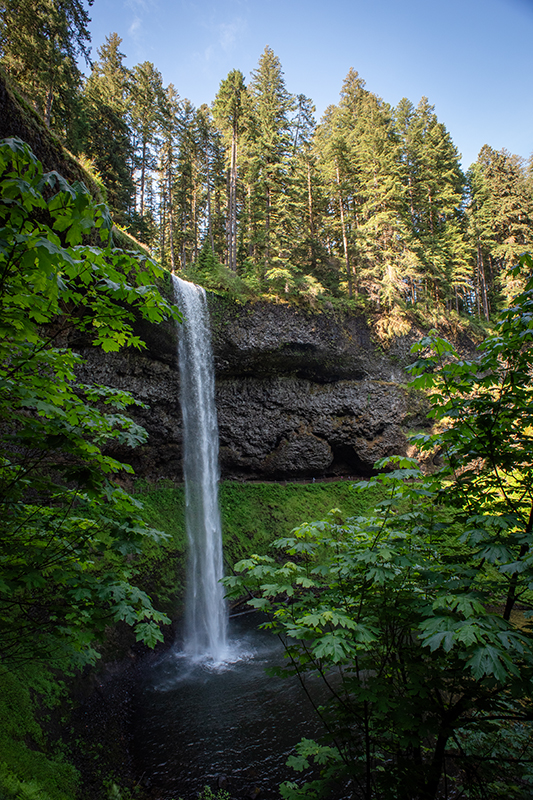
Silver Falls State Park boasts a popular 7.2-mile loop trail past 10 waterfalls, behind four, and through a lush forested canyon.